The Porch Is a Dial: A Five-Stop Night Cipher for People With One Good Extension Cord
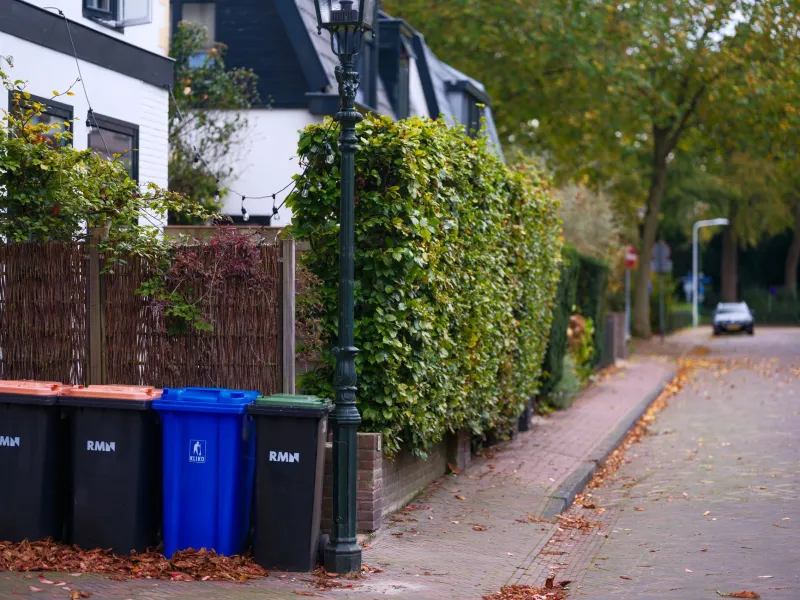
Somewhere on your block, a porch light is doing unpaid labor as a night-light. It could be doing more. Porches are America’s most underused game boards: they have a bulb, a window covering, and a recycling bin, which is three whole dials if you squint. This November 2026, gather a few willing households and turn those dials into a five-stop cipher walk you can set up before the casserole comes out of the oven.
The Premise: Your Porch Is a Three-Digit Lock
No app. No QR code. No group chat named Cul-de-Sac Chaos. The game works because porch objects are already visible from the sidewalk, already changeable, and already slightly mysterious. A blue bulb, a half-open blind, and a bin at the curb can mean “turn right, walk two houses, stop at the corner.” It can also mean “the HOA has questions,” but that is a separate puzzle.
The goal is a five-step route. Each stop has a card and a porch set to a specific combination. Read the porch, decode the move, walk it, find the next card. The last card sends everyone back to the start, ideally before the dog realizes there is a parade.
What You Need Besides a Porch and a Straight Face
- Five index cards per team, plus a few spares for when someone writes “left” on the wrong side.
- Markers. Big letters. Assume the reader is six years old or pretending to be.
- Painter’s tape only. No duct tape on anyone’s mailbox, no staples in siding.
- A printable score sheet, or a napkin with columns.
- Willing households. This is the important one.
- A flashlight, optional. Aim it at the sidewalk, not into somebody’s living room.
The Three Dials You Already Own
| Dial | Settings | Meaning |
|---|---|---|
| Porch bulb | Amber, blue, green | Turn left, turn right, go straight |
| Window blinds | Open, half-closed, closed | Walk one, two, or three houses |
| Recycling bin | At curb, in driveway, missing | Stop at next corner, continue, skip one porch |
Read them in that order: bulb, blinds, bin. One porch equals one leg of the route. Five porches equal five legs. If someone’s bin is missing because it is collection day, congratulations—you have discovered the game’s first plot twist.
How to Build the Five-Stop Route Before Dinner
Start with a paper map of your block. Mark five stations that are easy to reach on foot and visible from the sidewalk. Ask each household first. “Would you like to be a cipher station tonight?” is a much better opening than “Please move your garbage can for my art project.”
Once you have five yeses, choose a route that loops back near the start. Set station one near your own porch so latecomers can join. Place card two at station two, card three at station three, and so on. The card at each station should say something like: “Read this porch. Bulb, blinds, bin. Walk the move. The next card is at eye level, not in the shrubs.”
Then set the dials. Amber bulb, blinds half-closed, bin at curb: left, two houses, stop at the corner. Blue bulb, blinds open, bin in driveway: right, one house, keep going. Green bulb, blinds closed, bin missing: straight, three houses, skip one porch. Write down your intended route before the game, because after dark every mailbox starts to look alike.
Clue Cards for People Who Hate Instructions
Keep the cards short. A good card has three lines: station number, the three dials to read, and a tiny reminder that the next card is nearby. Add a simple symbol—circle, triangle, squiggle—so non-readers can follow along. If you want to be fancy, put the symbol on the back of the next card. If you want to be practical, put the symbol on the card and also say the location out loud to the shortest member of the team.
Do not hide cards in mailboxes. Mail carriers have enough going on. Tape them to a porch post, a handrail, or a public sign with permission. The card should be findable in under ninety seconds by a person wearing Crocs.
Neighbor Etiquette: The Unsexy but Essential Part
This game only works if the neighborhood opted in. Make a simple yes/no map. Participating houses get a small paper sun on the door. Everyone else gets left alone, including the neighbor with the motion-activated inflatable dragon.
Rules worth taping inside the score sheet:
- Stay on the sidewalk unless a host invites the group onto the porch.
- Do not move, open, or investigate anyone’s recycling bin. Read its position, not its contents.
- No flashlights aimed at windows. No peeking through blinds. No using Ring cameras as clues.
- End by 9 p.m. unless the block has explicitly agreed to a later curfew.
- Remove all cards the same night. Nothing says “mysterious” like soggy index cards in next week’s rain.
- If a non-playing neighbor asks what is happening, hand them a score sheet and say “cipher walk.” They will either join or close the door. Both are valid.
Include the Kids and the Phone-Averse Adults
Give everyone a job. Reader reads the porch. Walker counts the houses. Scribe writes the decoded move. Skeptic questions the whole enterprise. Nobody needs a phone, which is the point. For younger players, use colors and shapes instead of words. For color-blind players, add patterns: amber equals stripes, blue equals dots, green equals a solid square. For adults who claim they are “just holding the flashlight,” hand them the score sheet and let them discover their inner accountant.
The Printable Score Sheet
| Stop | Clue card | Decoded move | Points | Notes |
|---|---|---|---|---|
| 1 | ||||
| 2 | ||||
| 3 | ||||
| 4 | ||||
| 5 |
Scoring: one point for reading each dial correctly, two points for the correct move, three bonus points for finishing without a phone. Deduct one point for every dog that joins the team uninvited. Add one point for every neighbor who says “this is the most normal thing that has happened on this block in months.”
Three Ready-Made Ciphers
Cipher 1: The Amber Loop. Station one: amber, open, curb. Station two: blue, half-closed, driveway. Station three: green, closed, missing. Station four: blue, open, driveway. Station five: amber, half-closed, curb. This one loops back near the start and works well on a cul-de-sac. It is also forgiving if someone sets a bin out early.
Cipher 2: The Blue Zigzag. Station one: blue, closed, curb. Station two: amber, half-closed, driveway. Station three: blue, open, missing. Station four: green, half-closed, curb. Station five: amber, closed, driveway. Expect a route that crosses the street twice and makes at least one person say “wait, which house are we at?” That is not a bug. That is the game.
Cipher 3: The Green Detour. Station one: green, open, driveway. Station two: blue, closed, missing. Station three: amber, half-closed, curb. Station four: green, closed, driveway. Station five: blue, open, curb. This is the one for blocks with a dead end or a park sign. It finishes with a straight walk home and a strong sense of having gotten away with something.
The Real Prize Is Not Being Seen Doing This
The beauty of a porch cipher is that it looks like nothing. To a passing car, you are just a group of people staring at a light bulb and whispering. To the neighbors who opted in, you are a tiny parade. To everyone else, you are a harmless mystery. Set it up before dinner, play it after dark, and take the cards down before the porch light becomes evidence.